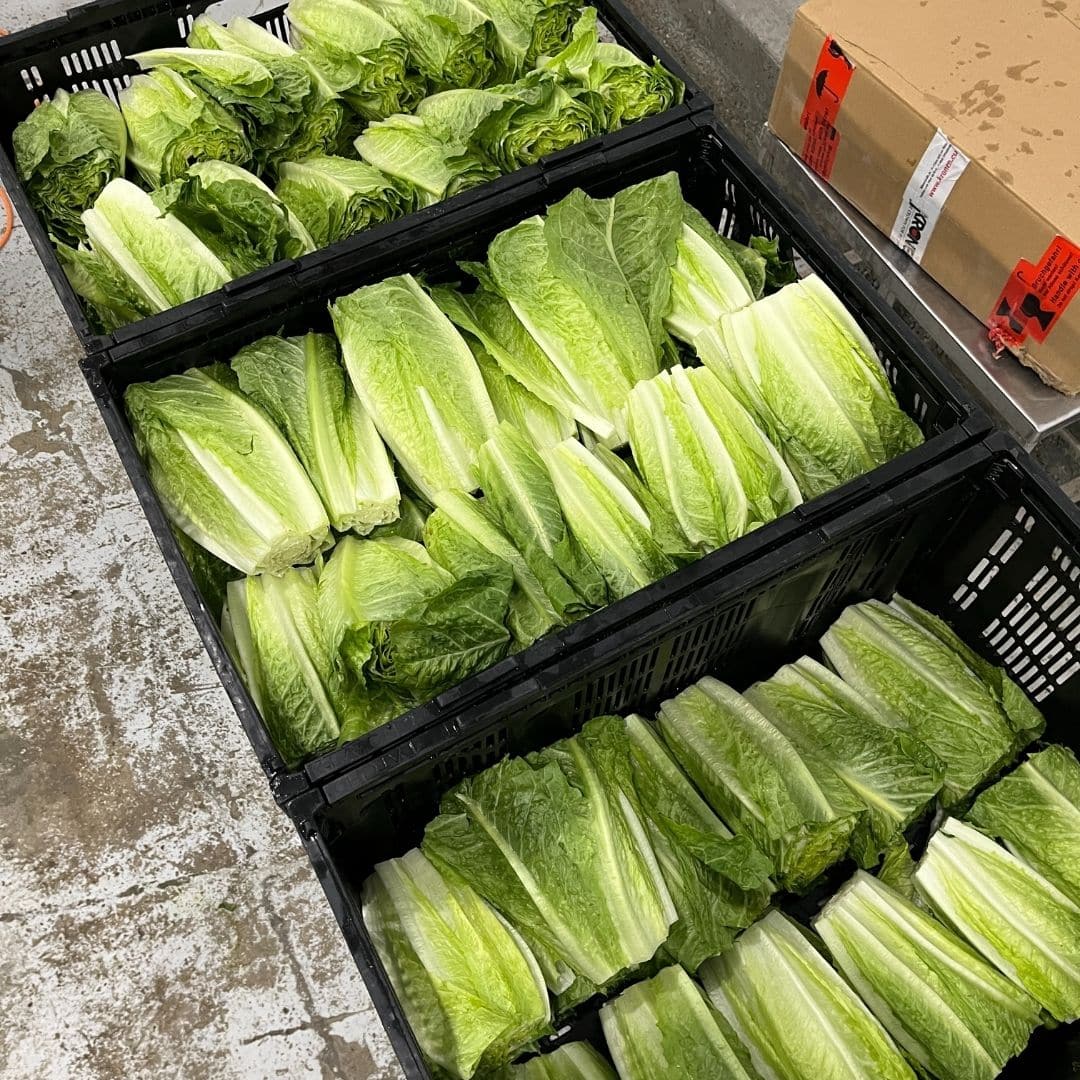
For years, we’ve heard the same thing from school districts across California: We want to serve organic romaine lettuce, but we simply don’t have the labor to process it in-house.
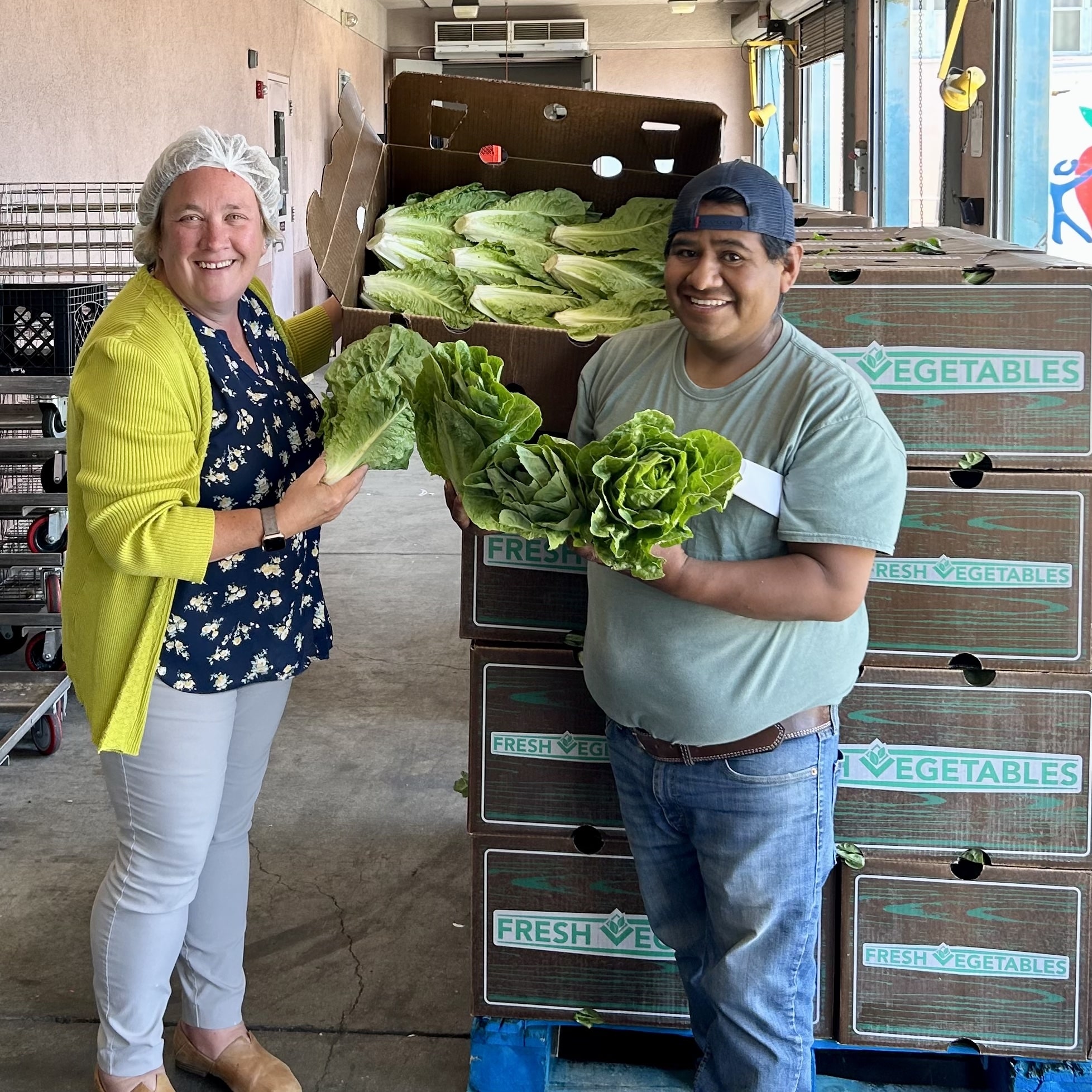
And they’re right. While whole-head romaine works beautifully in commercial kitchens and smaller programs, most school food operations don’t have the staff, time, or infrastructure to wash, chop, dry, and store romaine at scale. The result is that organic romaine lettuce, despite being one of the most popular salad greens and widely grown on local farms, has remained out of reach for the majority of districts. With such limited options, districts rely on conventional pre-chopped romaine for salad greens.
Conscious Kitchen knew that if organic romaine was going to show up on school menus statewide, it needed to come pre-chopped, school-ready, and compliant, without compromising organic integrity or freshness. The missing link? Processing infrastructure.
We had success selling organic romaine to a handful of districts that could process it themselves, but scaling the model required something different: regional processing infrastructure, ideally located close to the farms growing the lettuce.
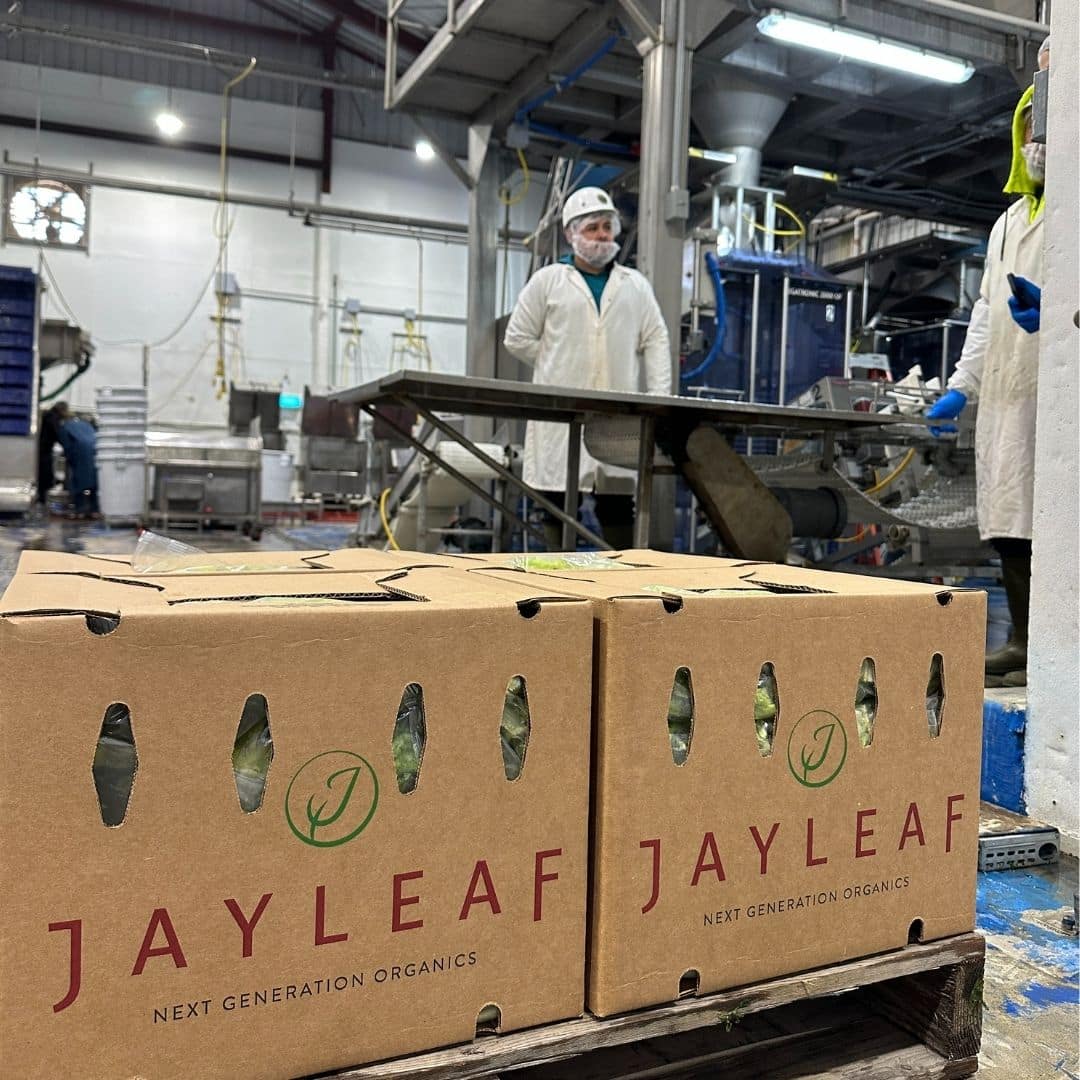
Our team connected with Jayleaf, an organic processor based in San Benito County, close to where much of California’s organic romaine is grown. Jayleaf’s owner, Jose Ornelas, the son of immigrant farmworkers, immediately understood both the challenge and the opportunity of adding romaine to his catalog to meet this specific demand for school districts. He was motivated to make this work, not just for one district, but for many.
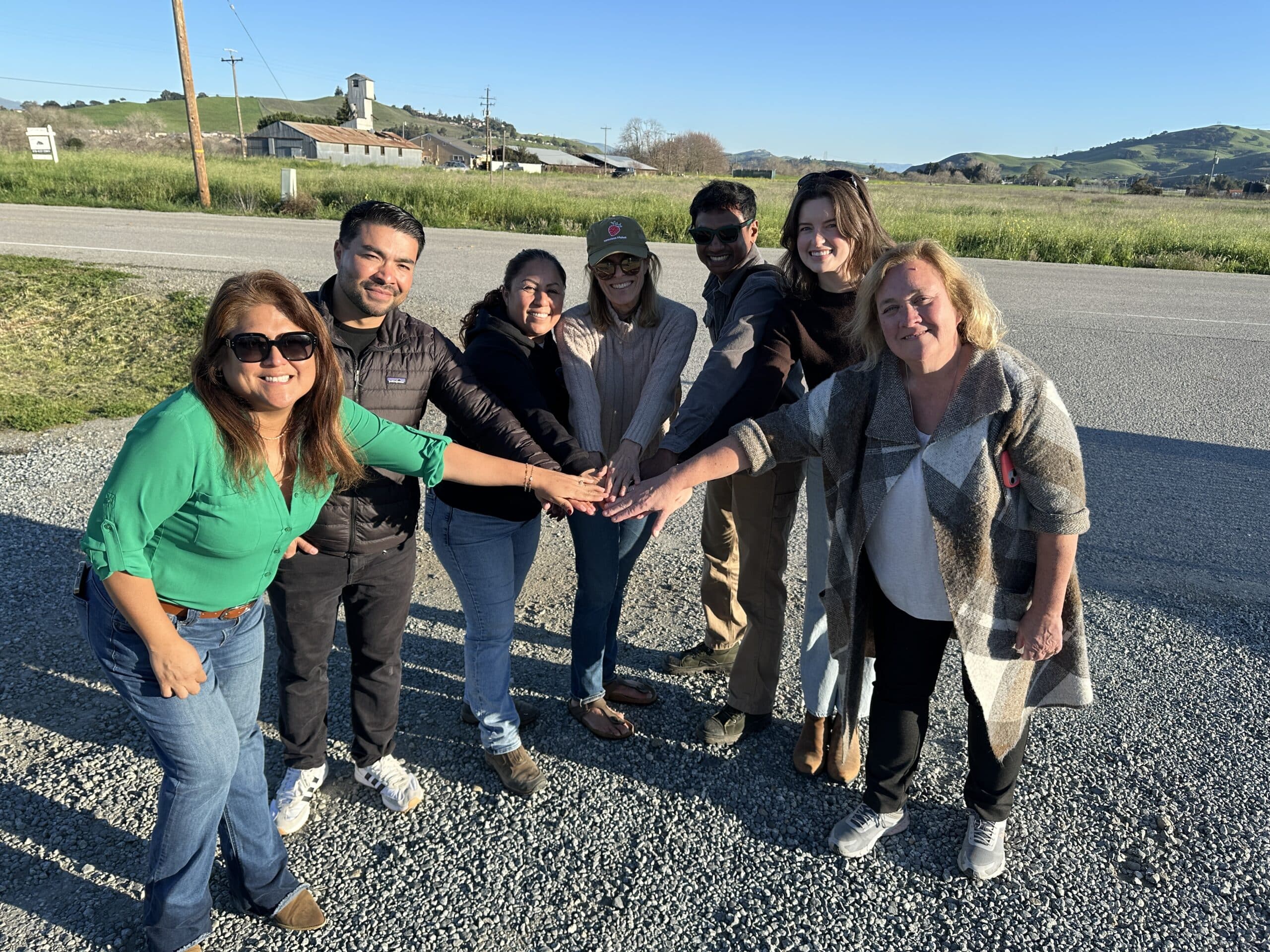
This effort has been strengthened by a collective of organic lettuce farmers who have grown alongside us through every step of the process – led by Yadira Mendiola, owner and farmer extraordinaire behind The Queen of Organic Vegetables Organic Farm. From planning harvest windows to testing pack sizes, these Central Coast growers have shown remarkable tenacity, flexibility, and commitment to this work. Their belief in the vision of organic school meals and willingness to collaborate, innovate, and inspire us are the foundation that has made this project possible. Behind every three-pound bag of chopped romaine are the organic farmers who care deeply about the land, the kids in our schools, and the communities around them. With that partnership in place, the next challenge was ensuring the processing infrastructure could match the farmers’ commitment.
Despite identifying an organic processor, there was still a major hurdle to address. Romaine lettuce requires a different processing machine than other salad greens – one that costs about $60,000. This was not a simple equipment swap. It was a significant investment that Jayleaf could not afford on its own.
After months of brainstorming conversations, a breakthrough came from West Contra Costa Unified School District, which serves approximately 26,000 students daily. Barbara Jellison, the district’s Executive Director of Food Services, proposed an innovative solution. She suggested using Kitchen Infrastructure and Training (KIT) funds to purchase the specialized romaine-processing machine and housing it at Jayleaf.
That single decision changed everything. By housing the machine at Jayleaf, West Contra Costa Unified School District created access not only for their own students, but for districts across California. A district-level investment became shared statewide infrastructure.
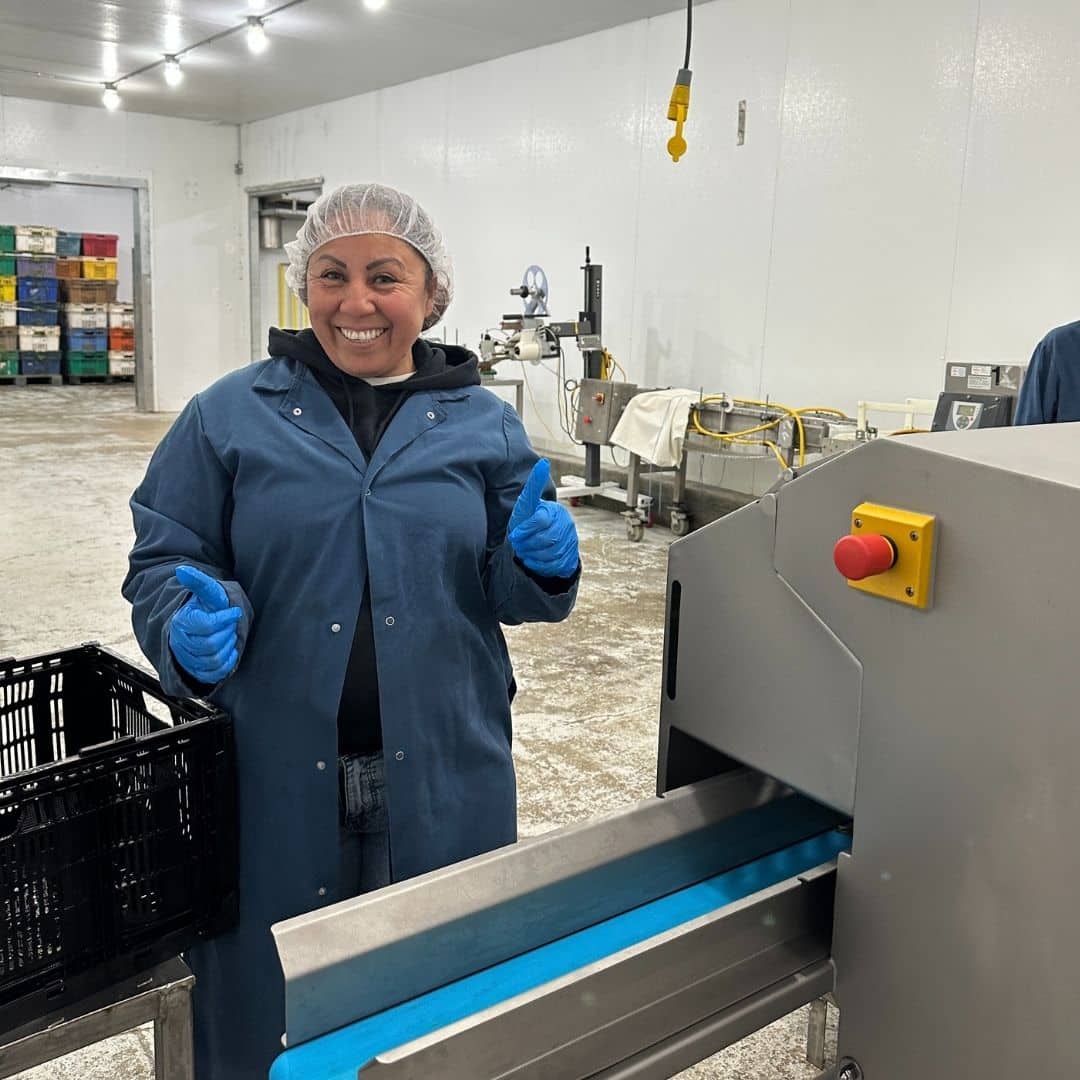
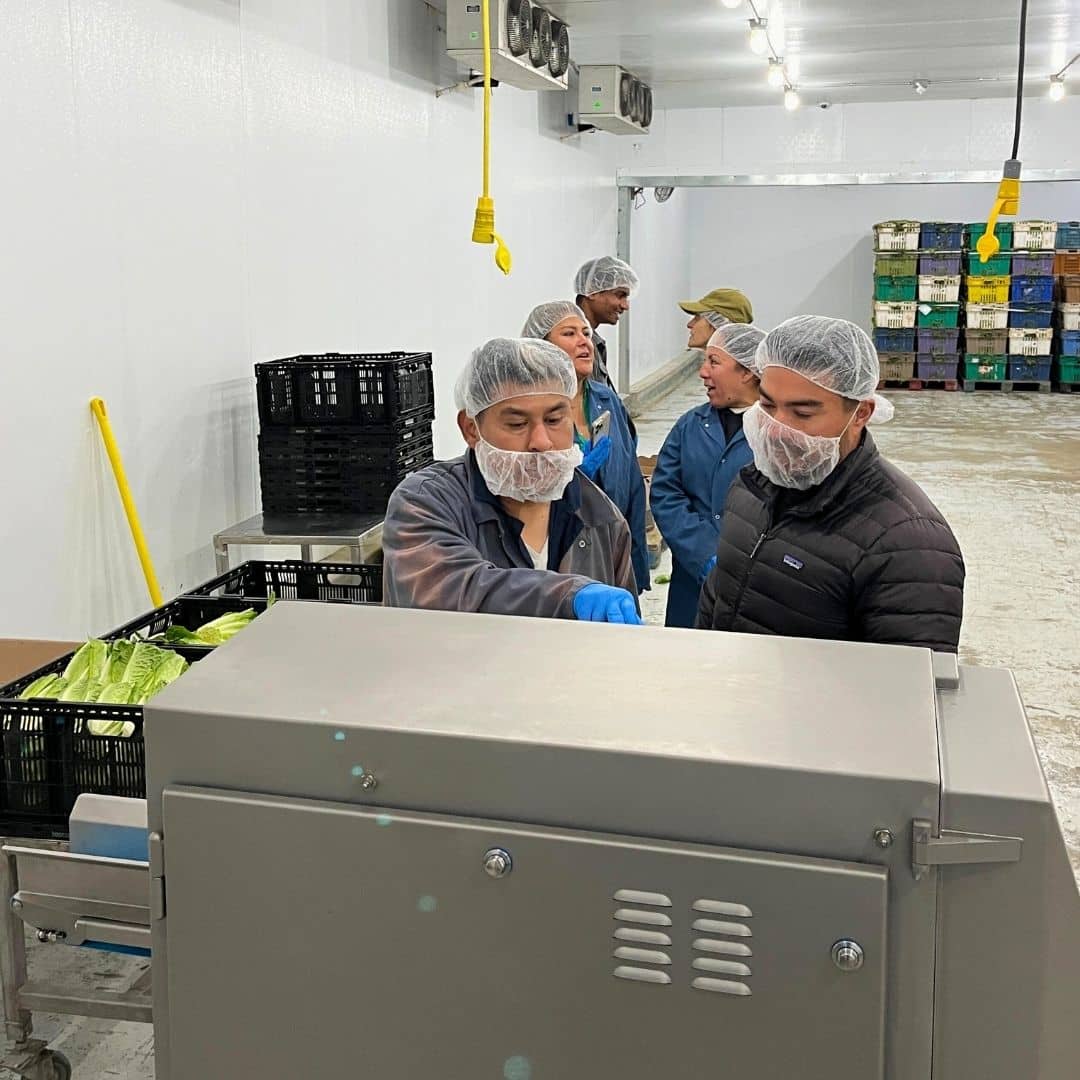
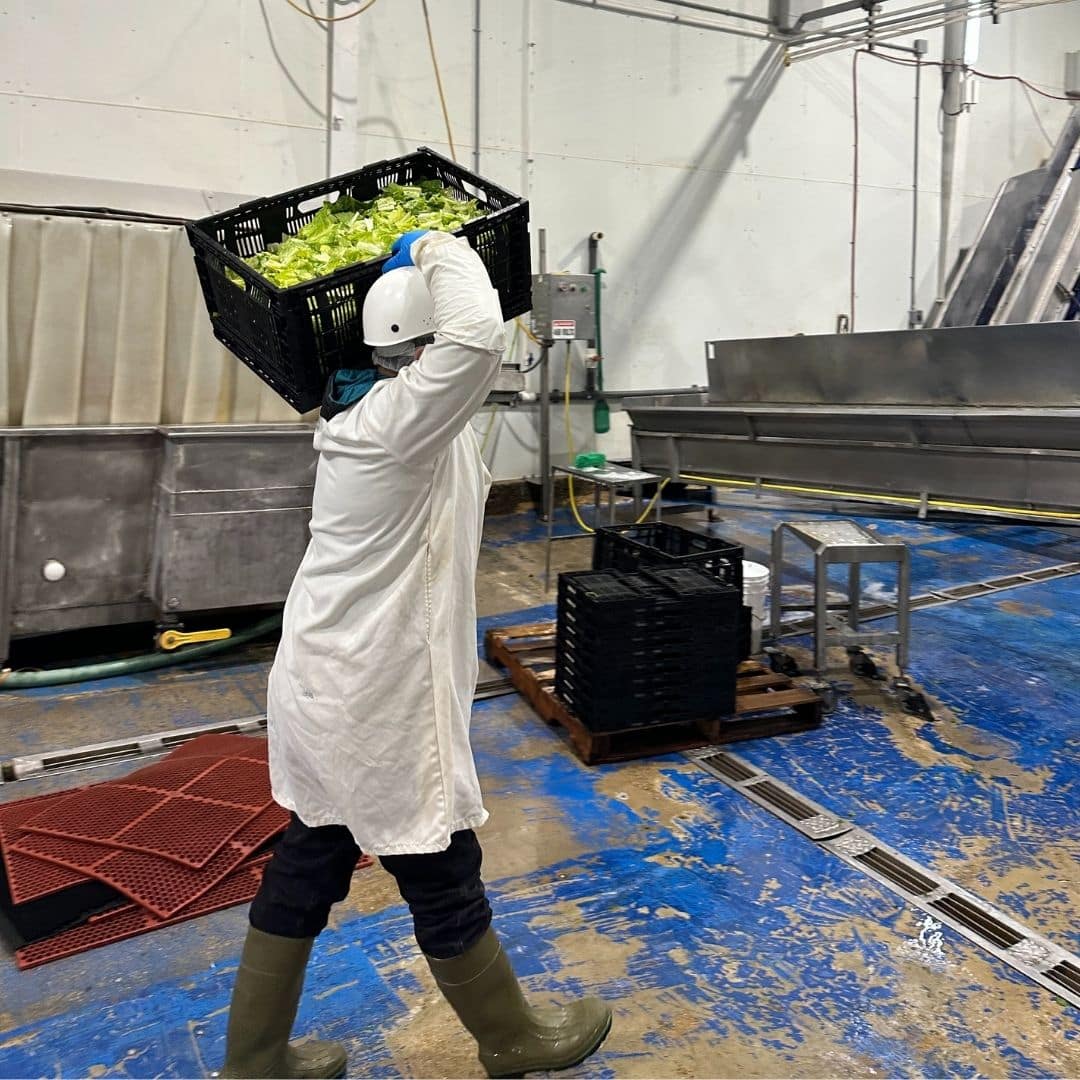
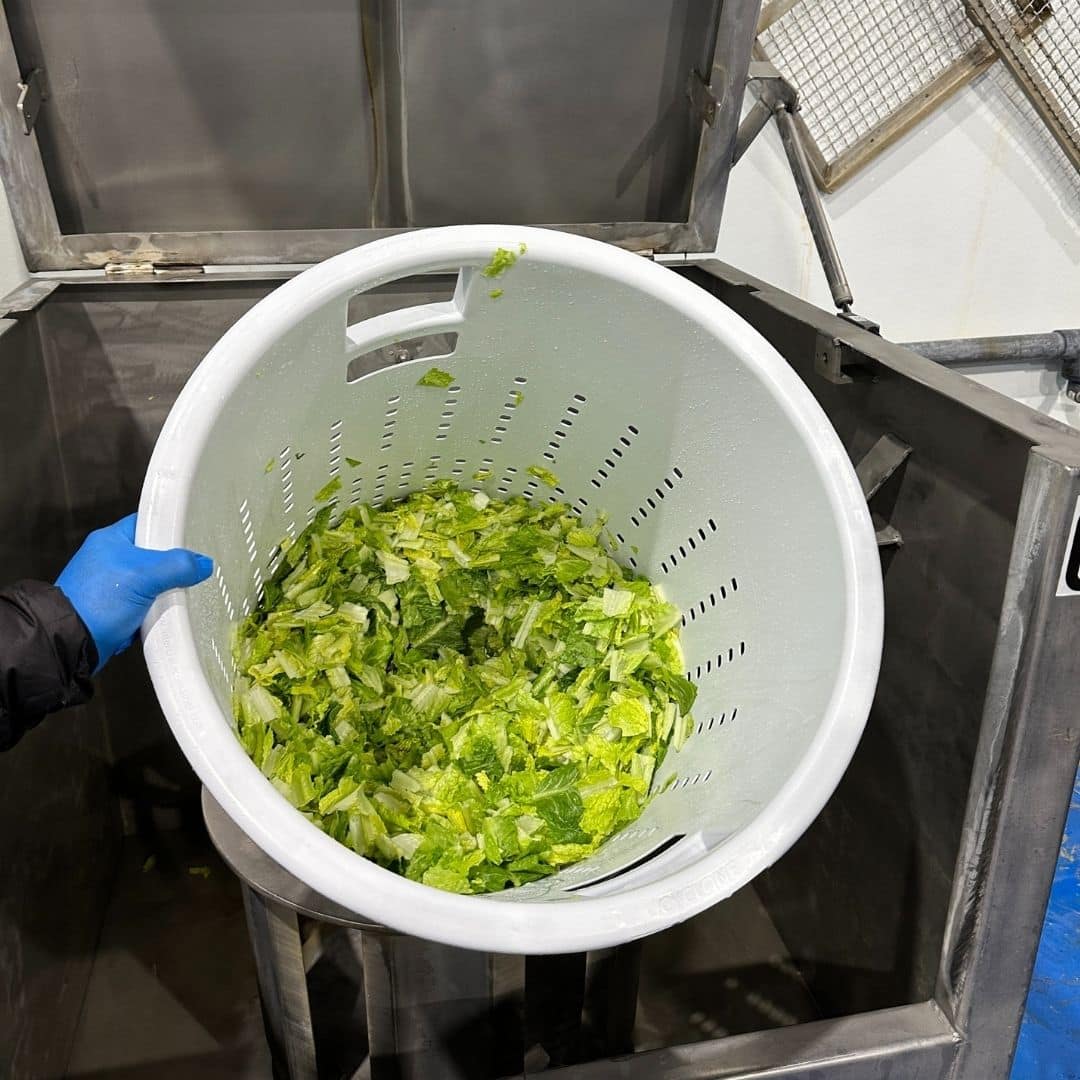
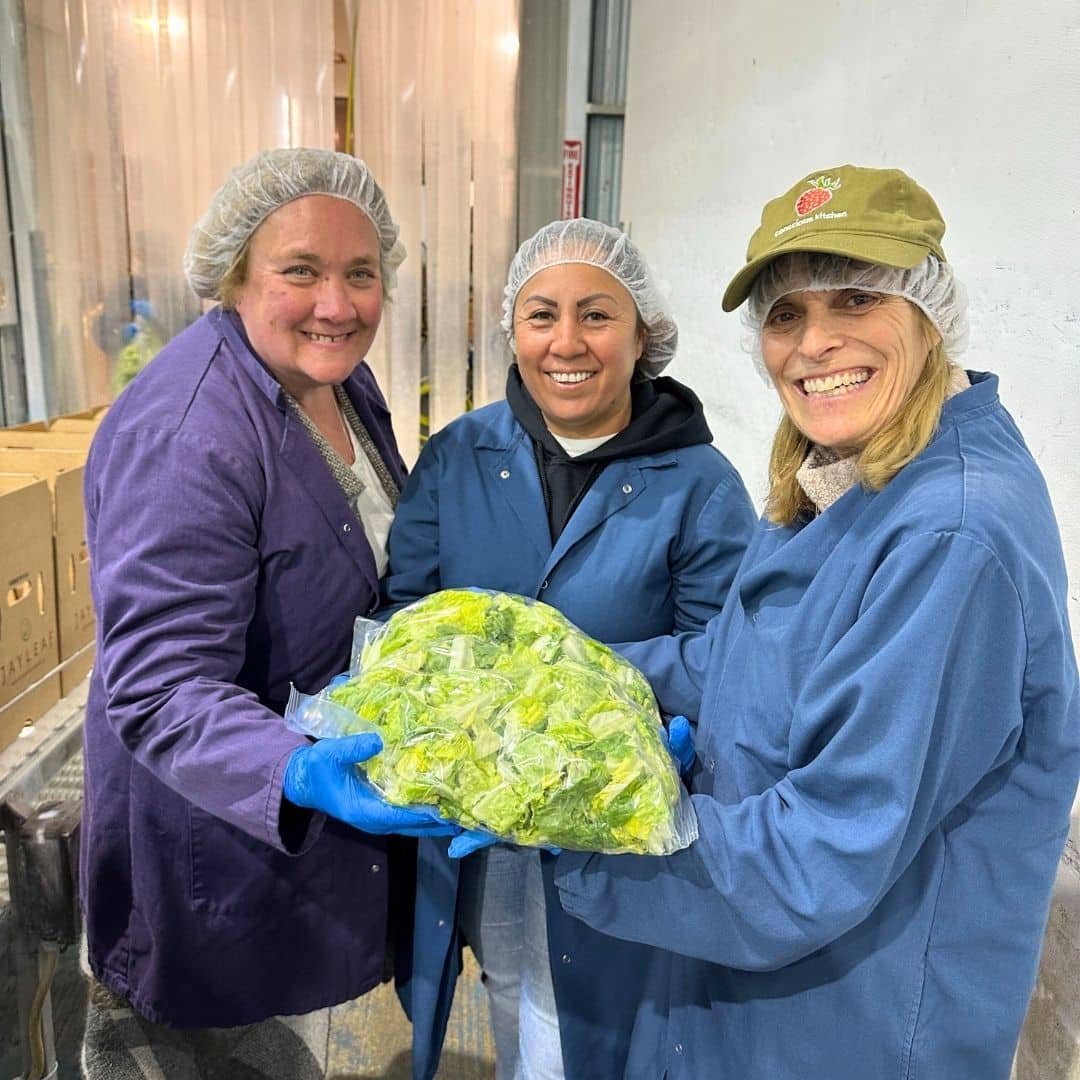
When the machine arrived, we gathered our partners at Jayleaf’s facility to see the process in action, and it was extraordinary. After gearing up in coats, gloves, and hairnets, we stepped into the warehouse where the magic happens. Inside, we watched organic romaine move through a carefully choreographed system. The lettuce passed through the chopping machine, traveled along conveyor belts, entered a wash of water and peracetic acid for organic sanitation, moved into an industrial salad spinner, and then onto another conveyor belt where it was bagged and sealed with nitrogen for freshness. Romaine is the only salad green that does not tolerate oxygen well.
.
On the other end, out came three-pound bags of chopped, washed, and dried organic romaine, ready for schools to serve with no additional labor required of food service teams.
To see the result of a project that has been a Conscious Kitchen priority for over two years was surreal. A challenge that once limited what schools could serve has now become a successful pathway for expanding access to organic romaine to districts statewide.
This is not solely a lettuce story. It is a reminder that processing infrastructure is too often a missing link between organic farms and school cafeterias. When school districts, processors, and community partners work together to think beyond the status quo, we can unlock access for millions of students across hundreds of districts.
The organic farm-to-school movement is growing — one machine, one partnership, one bold idea at a time.
If your district, farm, or organization wants to be part of what’s next, Conscious Kitchen invites you to join us!