
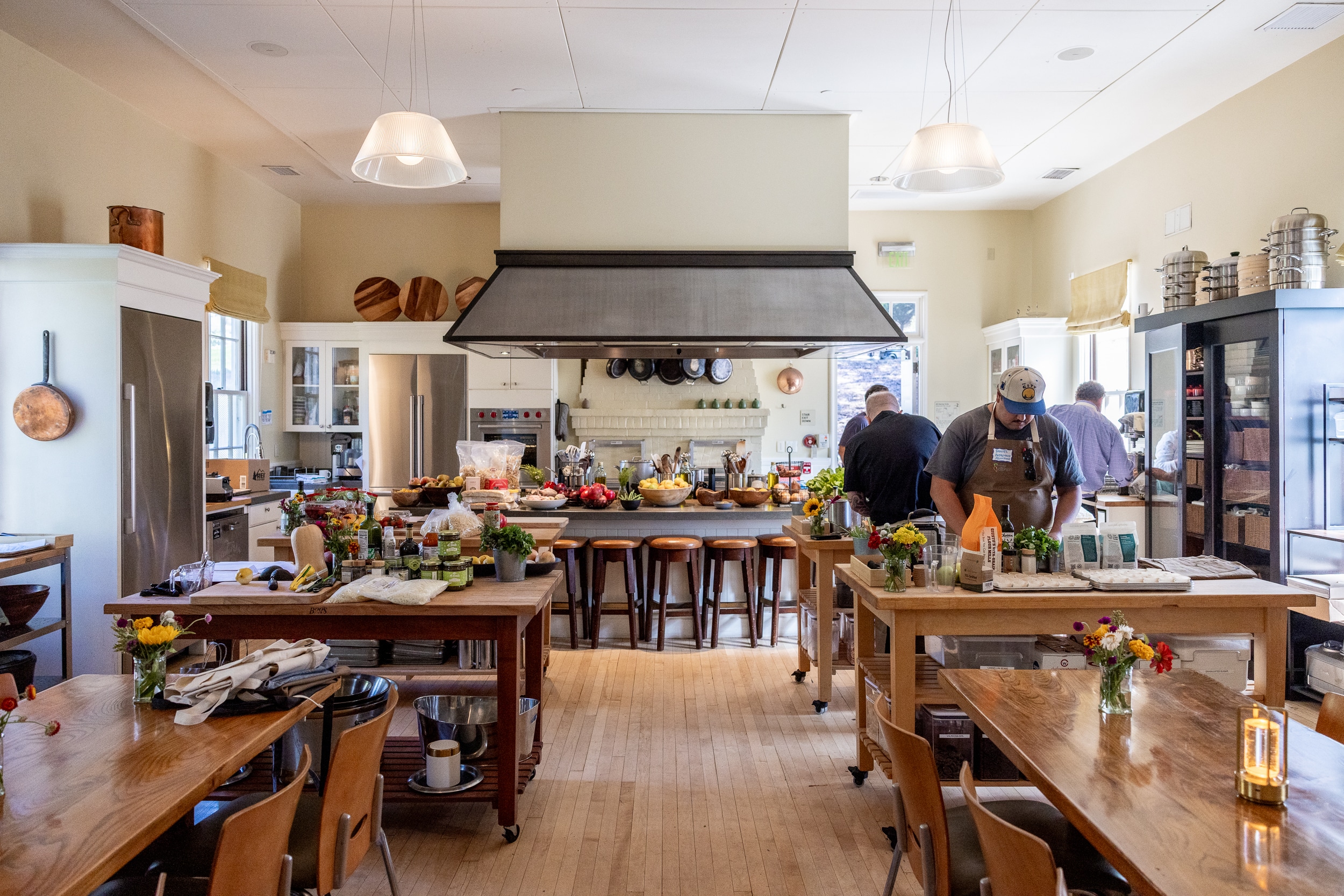
In July, school nutrition leaders, chefs, organic farmers, and food makers filled the Cavallo Point Lodge Cooking School to launch the Conscious Kitchen Recipe Project. When we shared the story of that day, we mentioned something else on the horizon: a way for districts to buy the ingredients behind those recipes together.
On September 30, we returned to Cavallo Point—this time alongside school nutrition leaders, farmers, food makers, distributors, chefs, and partners from across California—to celebrate its official launch.
The Conscious Co-op is here.
An idea years in the making
For more than a decade, we have worked alongside school districts to move more fresh, local, organic food into school kitchens. Again and again, we saw the same opportunity. Schools wanted greater access to organic ingredients. Organic farmers and food makers wanted dependable markets they could plan and grow around. And across California, school nutrition leaders were navigating many of the same questions around cost, availability, distribution, and scale.

What if they didn’t have to navigate them alone?
The Conscious Organic School Food Purchasing Cooperative brings those pieces together. By combining purchasing demand across districts, the Co-op creates greater access to organic ingredients for schools while building stronger, more dependable markets for the farmers and food makers producing them.
“Schools serve more than a billion meals every year in California. That is an extraordinary market,” said Judi Shils, Founder and Executive Director of Conscious Kitchen. “When districts come together and say, ‘This is what we want to buy,’ farmers, food makers and distributors can respond.”
It is a simple idea with the potential for far-reaching impact: schools creating dependable demand, farmers growing more for schools, food makers developing products that work for school meals, and distributors opening new pathways for organic food.
How the Co-op works
The Co-op launches with 17 founding school districts serving more than 225,000 students across California, from Tahoe-Truckee to Laguna Beach. Among them is Sausalito Marin City School District, where Conscious Kitchen began in 2013 with a single school. Mt. Diablo Unified leads the Co-op’s grocery bid, working alongside 16 other founding districts whose school nutrition leaders helped shape the model.
Together, those districts can do something that is much harder to do alone: show the marketplace meaningful, collective demand for organic food.
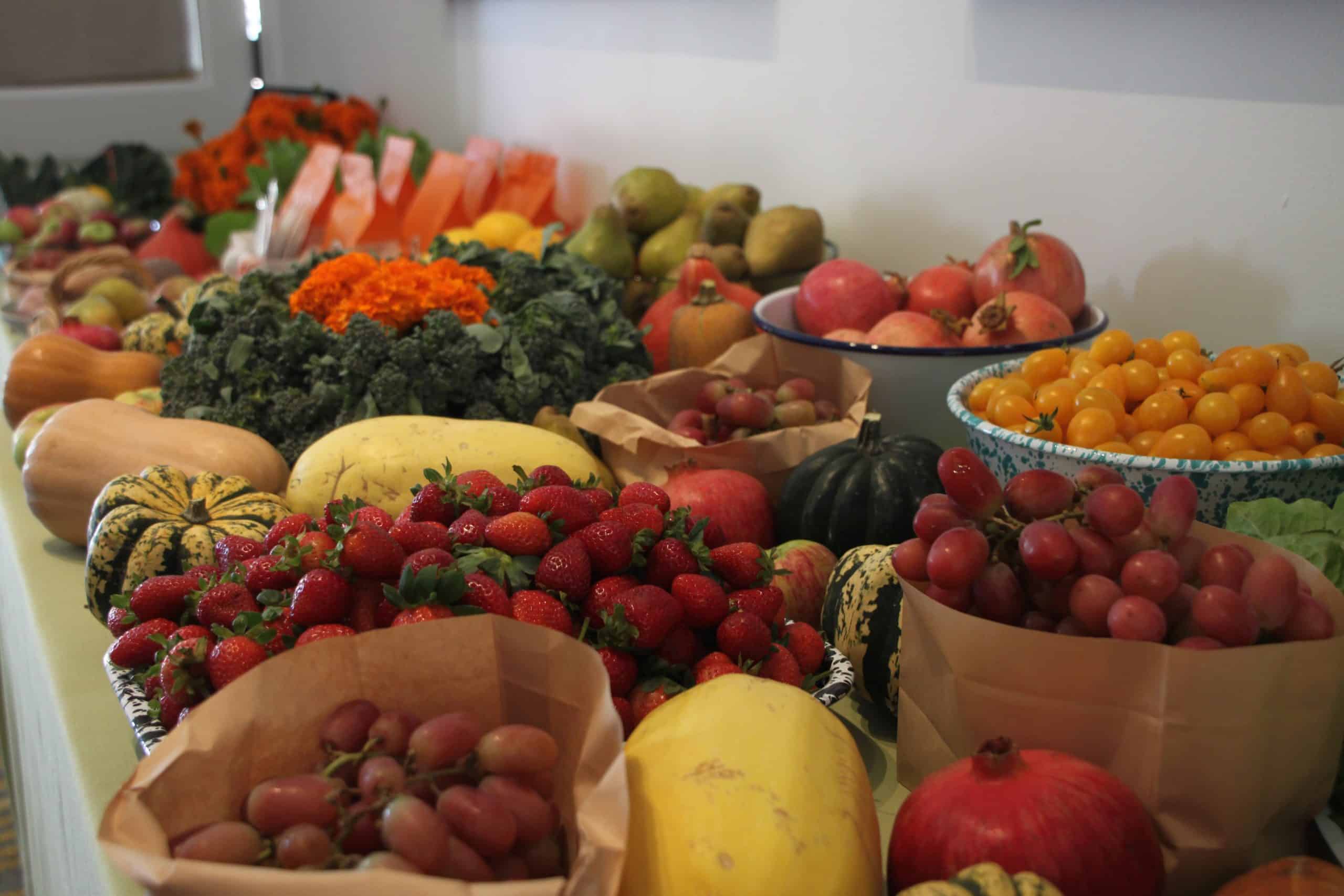
UNFI and Sysco are distributors serving as a bridge between schools and the farms, ranches, and food makers supplying them. Greater visibility into what districts actually want to purchase helps distributors and suppliers plan ahead, identify opportunities to expand organic offerings, and build more reliable pathways from producers into school kitchens.
“For a distributor, visibility into demand matters,” said Steve Brancamp, VP of Sales at UNFI. “When districts come together and show us what they need, not for one school, but across a much larger market, we can work differently with suppliers, plan ahead and help create a more reliable pathway for organic products into schools.”
And the opportunity extends beyond the 17 founding districts. Other eligible California districts can access Co-op contracts through “piggybacking,” giving them access to Co-op products and pricing without running an entire new bid themselves.
The Co-op also works hand in hand with the Conscious Kitchen Recipe Collection, connecting what happens in the kitchen with what’s available in the marketplace. School-created recipes help show what districts want to serve. Collective purchasing helps create the demand needed to make those ingredients more accessible.
Recipes create demand. Demand creates markets.
Built by the people doing the work
The Co-op was not created in isolation. It grew from years of listening to school nutrition leaders, farmers, food makers, distributors, and partners about what is working, what gets in the way, and what becomes possible when people work together.
For Alex Emmott, Director of Food & Nutrition Services at Mt. Diablo Unified, that shared knowledge is one of the Co-op’s greatest strengths.

“There is tremendous expertise inside school nutrition programs across California, but districts have historically had to solve many of the same challenges on their own,” she said. “When we work together, we unlock that expertise, share what we know and create opportunities that would not exist if we did it alone. That’s what makes this Co-op so exciting.”
Barbara Jellison, Executive Director of Food Services at West Contra Costa Unified, has worked alongside Conscious Kitchen since 2017. She sees the Co-op as the next step for an idea tested and refined in school kitchens over many years.
“We have spent years proving that students will eat and love fresh, organic food and that school kitchens can make it work,” she said. “The next challenge has always been how to make that possible for more districts. The Co-op gives schools a way to take what we have learned and move it to a completely different scale.”
California State Superintendent of Public Instruction Tony Thurmond sees the same potential. “Every student deserves access to fresh, nutritious food at school,” he said. “The Conscious Co-op is an innovative model for helping districts expand access to organic food, create stronger markets for California farmers and producers, and show what is possible when schools work together at scale.”
A day at the table
Launch day brought that vision to life.

School nutrition leaders, chefs, distributors, organic farmers, food makers, and partners gathered around the same tables—not simply to talk about a different kind of school food system, but to experience what it can look like when everyone who helps make a school meal possible is in the room together.
In the kitchen, guests cooked school-compliant recipes side by side using fresh, organic ingredients, then gathered around the table to eat what they had prepared. In the afternoon, those conversations continued through a marketplace filled with organic products ready for school meals.
And throughout the day, we heard again and again why these connections matter.
For farmers, schools represent more than a large potential market. They offer an opportunity to know where their food is going and who it is nourishing. Farmer Al Courchesne, Owner of Frog Hollow Farm, shared the joy he finds in being directly connected to the people eating the food he grows—and why getting that food into schools, where it can feed students, is so meaningful.
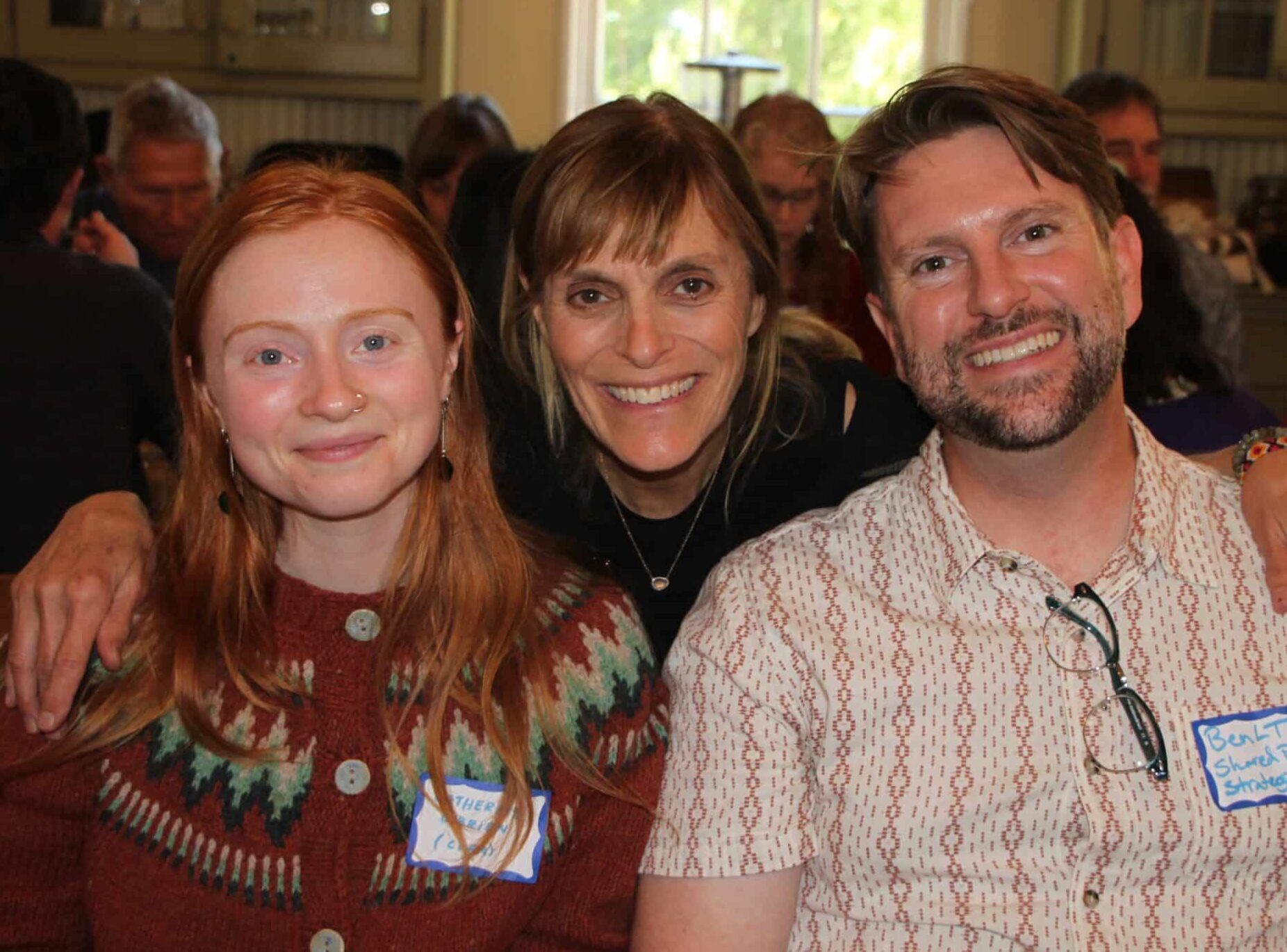
The day also reminded us that building something new requires a willingness to try. Alex Emmott reflected on Conscious Kitchen’s approach to experimentation: trying something, learning from it, and continuing to move forward. Her advice to districts interested in the Co-op was equally practical: start with the menus you already have, look at the ingredients available through the Co-op, and identify where a swap might make sense.
That spirit—start somewhere, learn together, and keep building—has been at the heart of Conscious Kitchen from the beginning.
Representatives from the U.S. Department of Agriculture, California Department of Education, and California Department of Food and Agriculture joined the gathering as well. But what made the day powerful was not any one person or organization. It was seeing the full ecosystem together: the people growing the food, moving it, preparing it, purchasing it, and serving it to students.
That is what the Co-op is designed to strengthen.
With gratitude
We are deeply grateful to the founding school districts whose leadership, collaboration, and commitment have brought the Conscious Co-op to life: Alameda USD, Albany USD, Berkeley USD, Capistrano USD, Cupertino Union SD, Hayward USD, Laguna Beach USD, Lagunitas Elementary SD, Mt. Diablo USD, North Monterey County USD, Pajaro Valley USD, San Leandro USD, San Ramon Valley USD, Santa Clara USD, Sausalito Marin City SD, Tahoe-Truckee USD, and West Contra Costa USD.
Thank you as well to UNFI and Sysco; to the organic farmers, ranchers, and food makers growing and producing food for schools; and to every chef, partner, and leader who joined us at the table.
This is where the next chapter begins.
Our goal is bigger than getting more organic products onto a purchasing list. It is to build the relationships and pathways that allow schools to become a dependable market for organic food—giving school nutrition leaders greater access to the ingredients they want to serve, giving farmers and food makers greater confidence to grow and produce for schools, and making fresh, local, organic food possible for more students.
Seventeen districts are starting together. As more schools join, that collective demand—and what it can make possible—will continue to grow.
District nutrition leaders, organic farmers, and food makers interested in the Co-op can learn more on our Conscious Co-op page or reach us at info@consciouskitchen.org.
